Home | Society of Pilar | Faith, Culture & Catholic Community
Welcome to the Society of Pilar, a place where faith, culture, and Catholic community come together to nurture the spirit and deepen our connection with one another. Rooted in the teachings of the Catholic Church, the Society of Pilar serves as a beacon of faith and hope, welcoming individuals from all walks of life to engage in meaningful spiritual growth, cultural enrichment, and community involvement. Whether you are seeking to strengthen your faith, connect with others who share your values, or immerse yourself in the rich traditions of Catholic culture, the Society of Pilar offers a welcoming space for all.
At the heart of the Society of Pilar lies a commitment to the core values of love, service, and compassion. Our society draws inspiration from the life and teachings of Saint Francis Xavier, the founder of the Society of Jesus (Jesuits), whose passion for education, social justice, and spreading the word of God continues to guide our mission today. Through worship, education, service, and cultural engagement, we seek to foster a vibrant and inclusive Catholic community that lives out the teachings of Christ in everyday life.
In this article, we will explore the mission and vision of the Society of Pilar, the services and programs we offer, and how we are building a community of faith and culture that reflects the spirit of Catholic values and devotion.
Our Mission and Vision
The Society of Pilar is dedicated to cultivating a strong, active Catholic community that is deeply rooted in the teachings of Jesus Christ. Our mission is to inspire and equip individuals to live out their faith through worship, education, and service, while also preserving and sharing the rich traditions and cultural heritage of the Catholic Church.
Our vision is to create a community where faith is lived out through action, where individuals come together to support one another in their spiritual journeys, and where we can be a positive force for social justice, peace, and service in the world. We seek to provide a space for spiritual growth, personal transformation, and social engagement that empowers individuals to make a meaningful impact in their own lives and in the lives of others.
Faith: A Foundation of Belief and Worship
At the Society of Pilar, faith is the cornerstone of everything we do. We believe in the power of the Catholic faith to transform lives, guide individuals on their spiritual journeys, and unite people in the love of Christ. Our faith programs are designed to deepen our connection with God and to help individuals grow in their relationship with Him.
Catholic Worship and Liturgy
Our society offers regular Mass services, where we gather as a community to worship and celebrate the life, death, and resurrection of Jesus Christ. These sacred liturgies are central to the life of the Society of Pilar, and we encourage all members to actively participate in the sacramental life of the Church.
-
Daily Mass: We offer daily Masses to foster a routine of prayer and devotion, helping members to remain spiritually nourished throughout their day-to-day lives.
-
Seasonal Liturgies and Celebrations: During key liturgical seasons such as Advent, Lent, and Easter, we hold special Masses, processions, and devotions that invite members to deepen their faith and reflect on the significant moments in the life of Christ.
-
Sacraments: The Society of Pilar also provides access to the seven sacraments, including Baptism, Eucharist, Confirmation, Reconciliation, Marriage, Anointing of the Sick, and Holy Orders. We believe in the power of these sacraments to strengthen individuals in their faith and to bring them closer to God.
Spiritual Formation and Retreats
To support the ongoing spiritual growth of our members, the Society of Pilar offers programs such as:
-
Faith Formation Classes: These classes are designed to deepen knowledge of the Catholic faith, from Scripture and Church teachings to spiritual practices and Christian living. Through discussions, readings, and prayer, these classes help members grow in their understanding of the faith and strengthen their personal relationship with God.
-
Retreats and Pilgrimages: We organize retreats and pilgrimages that provide opportunities for quiet reflection, prayer, and spiritual renewal. These events offer a chance to step away from the busyness of everyday life and experience a deeper connection with God through guided meditation, Scripture study, and prayer.
-
Bible Studies and Prayer Groups: Bible study groups and prayer circles offer opportunities for members to delve into Scripture, discuss its relevance to their lives, and pray together in community. These gatherings create spaces where faith is nurtured and relationships with fellow believers are built.
Culture: Preserving Catholic Traditions
The Society of Pilar recognizes the importance of Catholic cultural traditions in shaping our community’s identity and heritage. We are committed to preserving and sharing the rich history, art, music, and customs that have been passed down through generations, ensuring that Catholic culture remains vibrant and alive in our society today.
Catholic Art and Heritage
-
Sacred Art Exhibitions: We hold exhibitions and events that showcase Catholic art, including religious paintings, sculptures, and artifacts. These events serve as a reminder of the beauty and sanctity of Catholic tradition and provide opportunities for reflection on the role of art in worship and devotion.
-
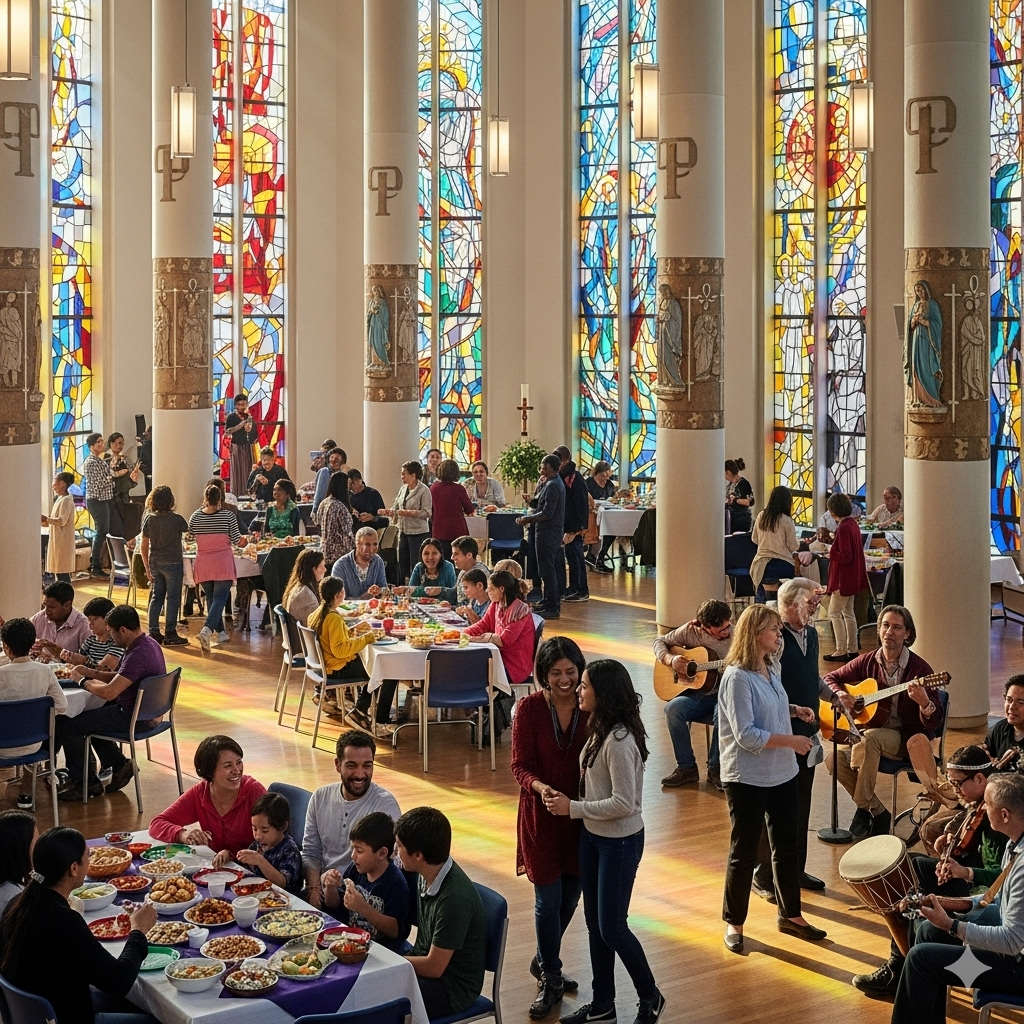
Cultural Celebrations: Throughout the year, the Society of Pilar hosts cultural events that celebrate Catholic festivals, saints’ feast days, and other important milestones in the life of the Church. These events include processions, feasts, and performances that highlight the cultural richness of the Catholic faith.
-
Music and Liturgical Arts: The Society of Pilar is committed to incorporating music and the arts into our worship and cultural celebrations. Through choirs, musical performances, and sacred performances, we seek to enhance the worship experience and provide an outlet for creative expression within the faith community.
Catholic Education and Heritage Preservation
The Society of Pilar believes in the importance of passing down Catholic teachings, history, and culture to future generations. Our education programs are designed to nurture a love for the Catholic faith, as well as an appreciation for Catholic cultural traditions.
-
Religious Education for Children and Youth: We offer religious education programs for children and youth, helping them to understand the fundamental teachings of the Catholic faith, the life of Christ, and the significance of the sacraments. These programs are designed to nurture a lifelong relationship with God.
-
Adult Education and Continuing Formation: For adults, we offer courses and study groups that dive deeper into Catholic theology, Scripture, Church history, and ethics. These programs support lifelong learning and spiritual growth, helping members of all ages to continue deepening their faith.
Community: Building a Strong and Supportive Catholic Family
The Society of Pilar is more than just a place of worship and cultural celebration—it is a vibrant, welcoming community that fosters a sense of belonging, mutual support, and shared responsibility. We strive to create an inclusive environment where people of all backgrounds can come together in love, service, and faith.
Catholic Service and Outreach
A fundamental aspect of our community is service to others. Following the example of Christ, the Society of Pilar is committed to meeting the needs of the poor, marginalized, and vulnerable, both within our local community and beyond.
-
Charity and Volunteerism: We organize outreach programs, food drives, and volunteer initiatives that support the needy in our community. Our members are encouraged to actively participate in works of charity, whether through direct service or financial contributions.
-
Social Justice Initiatives: We also advocate for social justice, working to address systemic issues such as poverty, inequality, and injustice. Through partnerships with local organizations and advocacy campaigns, we aim to create a more just and compassionate society.
-
Support Groups: The Society of Pilar offers support groups for individuals and families going through difficult times. Whether it’s grief support, marriage enrichment, or assistance with parenting, we provide resources and companionship to help individuals navigate life’s challenges.
Conclusion
The Society of Pilar is a dynamic and vibrant community where faith, culture, and Catholic values converge. Whether you’re looking to deepen your faith, connect with others who share your beliefs, or immerse yourself in the rich traditions of Catholic culture, the Society of Pilar offers a welcoming environment for personal growth, spiritual enrichment, and service to others.
Join us as we continue to build a community that reflects the love and compassion of Christ, where the teachings of the Catholic Church come to life in everyday actions, and where faith, culture, and community support one another in the pursuit of a better, more just world.